 how-to
How to Buy Your Dream Engagement Ring: A Complete Guide
Table of Contents
- Understanding the Foundation: The 4Cs and Stone Selection
- How to Choose an Engagement Ring That Suits Your Partner
- Engagement Ring Styles and Settings Explained
- How to Find Your Partner's Ring Size Discreetly
- Planning Your Budget and Understanding True Value
- Your Engagement Ring Buying Checklist
- Lab-Grown Diamonds and Ethical Considerations
- Making Your Purchase and Protecting Your Investment
- Frequently Asked Questions
Last Updated: October 10, 2026
Understanding the Foundation: The 4Cs and Stone Selection
Understanding the 4Cs is essential when you buy engagement ring to ensure you make an informed decision.
Cut determines how well the diamond reflects light and sparkles.
Colour grades diamonds from D (colourless) to Z (light colour). Colourless and near-colourless stones (D-J) are most popular, though some prefer slightly tinted diamonds for warmth.
Clarity measures inclusions or blemishes. Most engagement rings feature stones with eye-invisible inclusions, offering excellent value without sacrificing beauty.
Carat weight is the diamond's weight. Larger stones cost significantly more per carat, so budget planning is essential.
Lab-grown diamonds and alternative gemstones like sapphires or moissanite offer environmental and cost advantages.
How to Choose an Engagement Ring That Suits Your Partner
The best engagement ring reflects your partner's personal style. Observe the jewellery they wear: do they prefer gold or silver tones, delicate or bold pieces, modern or vintage designs?
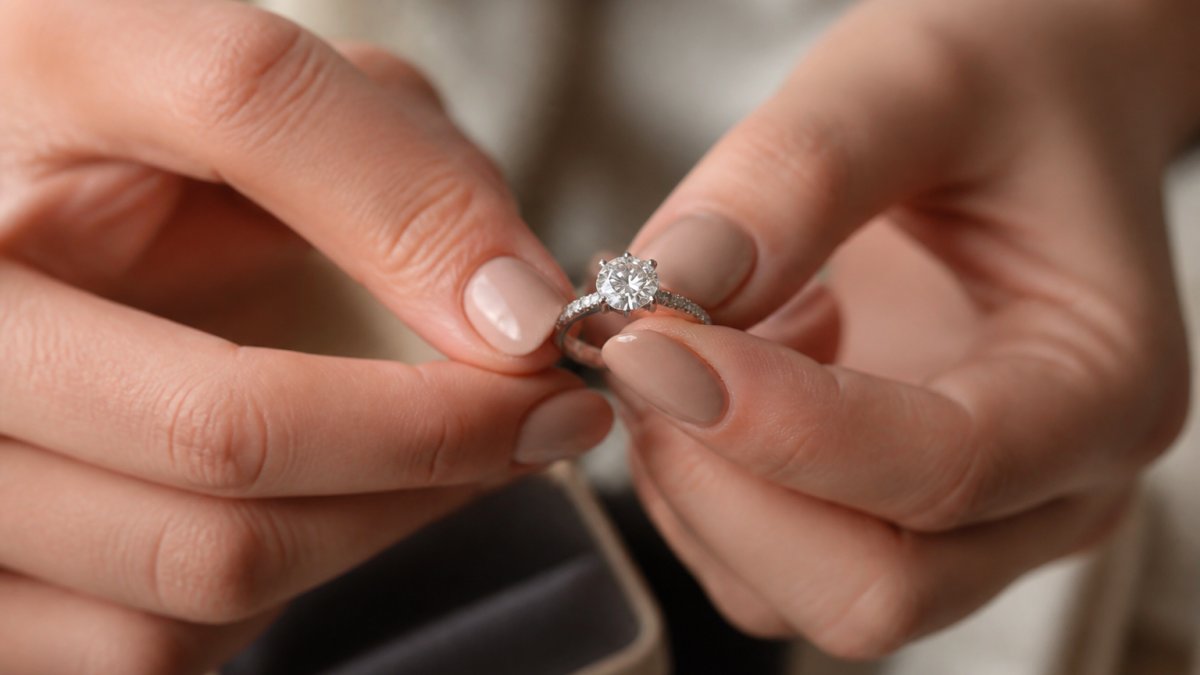
Consider their daily activities. Someone who works with their hands may prefer a lower-profile setting; an active lifestyle calls for durable metals like platinum.
Seek inspiration from Pinterest, Instagram, jewellery websites, and magazines. Note recurring themes in styles they save or admire.
If uncertain, ask trusted friends or family about your partner's preferences, or casually discuss jewellery styles without revealing your intentions.
Engagement Ring Styles and Settings Explained
Engagement ring styles fall into several main categories, each with distinct characteristics and appeal.
Solitaire and Halo Designs
A solitaire setting features a single centre stone on a simple band, emphasising the stone itself. It suits minimalist aesthetics and understated elegance.
Halo designs surround the centre stone with smaller diamonds or gemstones, creating a larger visual appearance and extra sparkle. They work well with smaller centre stones and appeal to those seeking glamour.
Pavé and Three-Stone Settings
Pavé settings cover the band with small diamonds set closely together, creating continuous sparkle. They require careful maintenance as small stones need regular inspection.
Three-stone rings feature a centre diamond flanked by two smaller stones, symbolising past, present, and future. They offer a balanced, elegant look.
Other popular styles include vintage-inspired designs, twisted bands, and split shank settings. Your choice depends on personal preference and how it complements your partner's aesthetic.
How to Find Your Partner's Ring Size Discreetly
Getting the ring size right is crucial. An ill-fitting ring requires resizing, which delays the proposal or creates awkwardness.
Borrow a ring your partner wears on their ring finger and take it to a jeweller for accurate measurement.
If borrowing isn't possible, ask a close friend or family member who might know the size, or casually suggest trying on rings together at a jeweller.
Alternatively, place a ring your partner wears on a ruler or use a free online sizing guide from a jeweller.
Ring size fluctuates with temperature and time of day. Measure in the afternoon when fingers are normal size. If between sizes, choose slightly larger; resizing down is easier than up.
Planning Your Budget and Understanding True Value
Budget planning requires honest conversation about what you can comfortably spend. A structured approach allocates your total budget across components so you understand where money goes.
Breaking Down the Total Cost
The final price of an engagement ring comprises several distinct elements:
Centre stone (typically 50-70% of budget). Understanding the 4Cs helps you prioritise spending: allocate more to cut if it matters most, or redirect savings from clarity to carat weight or setting quality.
Setting and band (typically 20-30% of budget). Metal type and design complexity affect cost. Platinum costs more than gold or silver but offers superior durability.
Taxes and fees (typically 5-10% of budget). VAT at 20% applies to jewellery purchases. Confirm whether quoted prices include VAT. Certification fees typically range from £50 to £200.
Resizing and adjustments. Ring sizing after purchase is common as fingers change size seasonally. Some jewellers offer free resizing; others charge per adjustment.
Insurance. Dedicated jewellery insurance protects against loss, theft, and damage. Annual premiums are typically 1-2% of the ring's insured value, separate from home contents insurance.
Maintenance and cleaning. Professional cleaning every 6-12 months keeps your ring brilliant. Some jewellers offer complimentary cleaning; others charge per visit.
Sample Budget Allocation
If your total budget is £4,000:
- Centre stone: £2,400-£2,800 (60-70%)
- Setting and band: £800-£1,000 (20-25%)
- VAT (if not included): £400-£480 (included in above or added)
- Certification: £100
- First-year resizing and insurance: £150-£200
- Reserve for maintenance: £100-£200
This framework prevents overspending on the stone and leaving nothing for quality craftsmanship, insurance, or future care.
Comparing Value Across Retailers
Focus on the 4Cs rather than brand names. Two diamonds with identical specifications should perform similarly regardless of retailer. Compare stones across multiple retailers to understand pricing variations.
Beware of pricing significantly lower than market rates; it may indicate lower certification standards or hidden fees. Reputable jewellers are transparent about all costs upfront.
Flexible Payment Options
Many jewellers offer interest-free financing over 12-36 months. Confirm there are no hidden fees or penalties for early repayment.
Some retailers offer part-exchange schemes, allowing you to offset the new purchase price with your old ring's value.
Long-Term Value Perspective
A well-made ring in durable metal with a certified stone retains value for decades. Investing in quality craftsmanship often proves more economical than buying a cheaper ring requiring repairs.
Overspending on brand prestige rather than stone quality or setting durability is poor value. Beauty and longevity matter more than the jeweller's name.
Your Engagement Ring Buying Checklist
Use this checklist to ensure you've covered all essential considerations before you buy engagement ring:
- Determine your budget range and stick to it
- Understand the 4Cs and identify your priorities
- Research your partner's style preferences thoroughly
- Confirm your partner's ring size (or have a plan for resizing)
- Choose between lab-grown, natural, or alternative gemstones
- Select a metal type that suits your partner's lifestyle
- Decide on a setting style that complements their aesthetic
- Verify the stone's certification (GIA or equivalent)
- Confirm the jeweller's return and resizing policies
- Review warranty and insurance options
- Plan the proposal timing and logistics
This checklist helps you approach the purchase systematically. You won't forget crucial details, and you'll feel confident in your decision.
Lab-Grown Diamonds and Ethical Considerations
Lab-grown diamonds are chemically identical to mined diamonds but created in controlled laboratory environments.
Lab-grown diamonds typically cost 30-40% less than comparable natural diamonds and perform identically in durability and sparkle.
Many choose lab-grown diamonds for environmental reasons, as mining requires significant land disruption and energy. Lab-grown alternatives eliminate these concerns.
Ethical sourcing matters to many buyers. Conflict diamonds remain a concern in some regions. Lab-grown diamonds sidestep this issue by avoiding mining.
Alternative gemstones like moissanite and sapphires offer additional options. Moissanite is nearly as hard as diamond and costs substantially less.
Making Your Purchase and Protecting Your Investment
Several practical steps protect your investment and ensure a smooth purchase experience.
Certification and Authentication
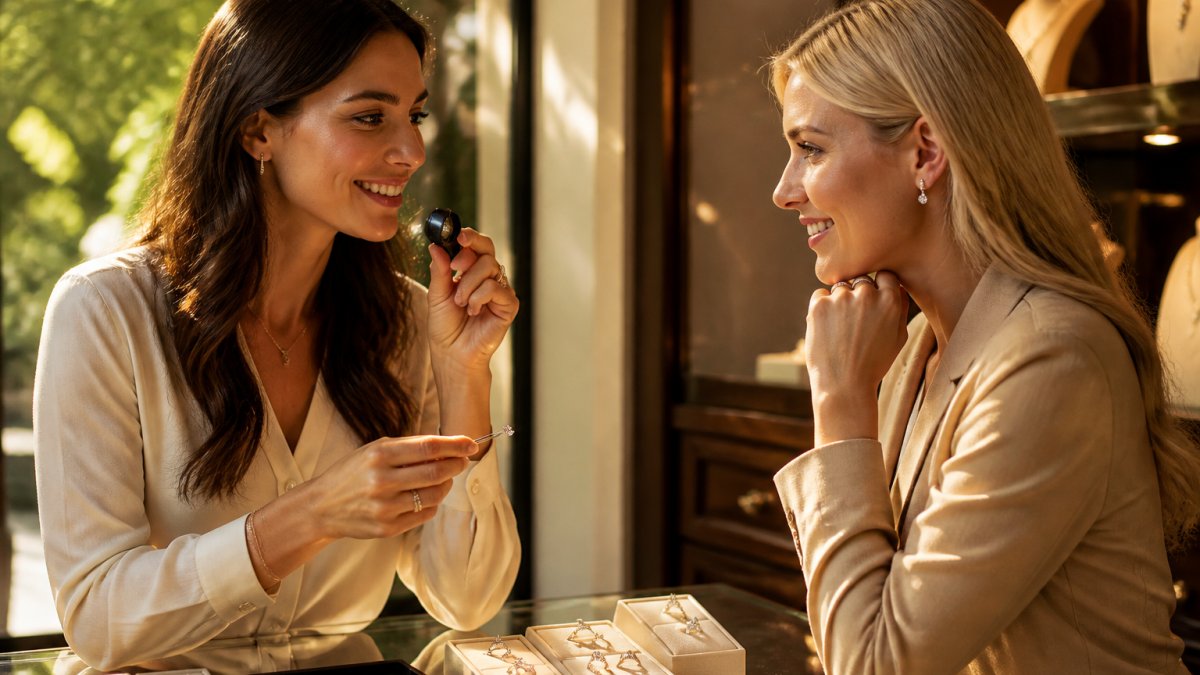
Request a certificate of authenticity from recognised bodies such as the Gemological Institute of America (GIA), the International Gemological Institute (IGI), or the Diamond Certification and Assurance Lab (DCAL). This document proves the stone's specifications and provides essential documentation for insurance claims.
Verify the certificate matches your stone. Ask the jeweller to show you the unique identification number laser-inscribed on the diamond's girdle under magnification.
Lab-grown diamonds and alternative gemstones should also come with certification. Lab-grown diamonds will be marked as such on the certificate, which is important for insurance and resale.
Understanding Return Policies
Most reputable retailers offer returns within 14-30 days. Return policies vary significantly:
Inspection period. Some jewellers allow returns only if unworn and in original condition; others permit returns after wearing within the specified window.
Restocking fees. Many retailers deduct 10-15% for custom or made-to-order returns. Standard stock items may have lower or no fees.
Shipping costs. Confirm whether return shipping is free or at your expense.
Resizing exclusions. Most return policies exclude resized rings. Request a temporary sizing band if uncertain about fit.
Read the full return policy before purchasing. If buying online, choose a retailer with a generous return window and clear terms.
Ring Sizing: Timing and Options
Ring sizing is a common post-purchase service. Fingers fluctuate in size due to temperature and time of day.
Sizing timelines. Standard resizing takes 5-10 working days. Rush services may incur additional fees. Plan accordingly if you need the ring by a specific date.
Sizing limits. Most jewellers can resize a ring up or down by one full size safely. If your partner's size is uncertain, err slightly larger; sizing down is easier than up.
Free resizing policies. Many jewellers offer one free resize within 12 months of purchase. Confirm this in writing.
Temporary sizing solutions. Some jewellers offer silicone sizing bands or temporary adjusters if you're proposing before confirming the exact size.
Warranty and Craftsmanship Guarantees
Reputable jewellers offer warranties against manufacturing defects, typically covering loose stones, broken prongs, or structural flaws for 1-2 years.
What's covered. Most warranties cover craftsmanship and material defects but not accidental damage or wear and tear. Clarify the scope in writing.
What's not covered. Warranties typically exclude impact damage, scratches, or loss of small stones from normal wear. Some exclude resized or repaired rings.
Maintenance included. Some jewellers include complimentary cleaning and inspection during the warranty period. Ask whether periodic stone-security checks are included, especially for pavé or halo settings.
Insurance: Protecting Against Loss and Damage
Insure your ring against loss, theft, or damage. Home contents insurance may cover jewellery but often limits coverage to 5-10% of total policy value.
Dedicated jewellery insurance. Specialist policies offer broader coverage and faster claims processing, typically covering accidental damage, theft, and loss.
Documentation required. Insurers require a valuation certificate from a qualified jeweller, your purchase receipt, and photographs of the ring from multiple angles.
Agreed value policies. Some insurers offer "agreed value" policies where you and the insurer agree on the ring's value upfront.
Exclusions to check. Some policies exclude loss if the ring is left unattended in public places or if damage occurs during professional cleaning. Read the fine print carefully.
Professional Cleaning and Maintenance
Regular professional cleaning keeps your ring looking brilliant and allows jewellers to inspect settings for security.
Cleaning frequency. Most jewellers recommend professional cleaning every 6-12 months, depending on how often the ring is worn and your lifestyle.
Cleaning methods. Professional jewellers use ultrasonic cleaners or steam cleaning for most rings. However, some gemstones (such as opals or emeralds) are sensitive to ultrasonic vibrations and require gentler cleaning methods.
Setting inspections. During cleaning, jewellers should inspect prongs, settings, and the band for wear or looseness. Catching a loose stone early prevents loss.
At-home care. Between professional cleanings, gently clean your ring with warm soapy water and a soft brush. Avoid harsh chemicals, chlorine, and abrasive materials that can damage the metal or stone.
Frequently Asked Questions
What are the 4Cs and why do they matter when buying an engagement ring?
The 4Cs, carat weight, cut, colour, and clarity, form the foundation of diamond quality and value. Carat weight measures size, cut determines sparkle and light reflection, colour grades absence of tint, and clarity assesses internal inclusions. Together, they influence both the stone's beauty and price. Understanding these helps you make informed choices and ensures you're investing in a stone that will retain its brilliance for decades.
How do I choose an engagement ring without my partner knowing their preference?
Observe their jewellery collection for recurring metals, styles, and whether they prefer understated or statement pieces. Ask trusted friends or family members about their taste. Notice whether they wear warm or cool-toned metals, delicate or bold designs. If you're uncertain, consider a ring builder that allows customisation, or choose a timeless solitaire setting that complements most styles. Many jewellers also offer free resizing and returns, giving you flexibility if adjustments are needed after purchase.
Are lab-grown diamonds a good alternative to natural diamonds for an engagement ring?
The choice of gemstone for an engagement ring depends on your values and budget. Both natural and lab-grown options can make meaningful, lasting engagement rings that will retain their beauty throughout decades of wear.
What should be included in an engagement ring buying checklist?
Your checklist should cover: confirming ring size (ideally discreetly), selecting your budget, deciding on metal and setting style, understanding the jeweller's return policy and warranty, confirming durability and maintenance requirements, and reviewing ethical sourcing practices. Taking time to research each element ensures you choose a ring that reflects both your partner's style and your values.