 ultimate-guide
Buy Engagement Ring in London: 2026 Hatton Garden Guide
Table of Contents
- Why Buying an Engagement Ring in London Beats Shopping Online
- How to Choose a Diamond Engagement Ring: The Four Cs and Beyond
- Bespoke Engagement Rings in London: What the Design Process Looks Like
- Metals, Settings and Gemstone Alternatives Explained
- Pricing, Payment Plans and 0% Finance Options
- Engagement Ring Insurance UK: Protecting Your Investment
- Aftercare, Resizing and Lifetime Warranties
- Conclusion: Your Next Step to Finding the One
- Frequently Asked Questions
Last Updated: October 9, 2026
Why Buying an Engagement Ring in London Beats Shopping Online
When you Buy Engagement Ring in London, you get something no website can replicate: the chance to see a diamond move under real light before you commit. This guide walks through the Hatton Garden experience, the Four Cs, bespoke design, metals, finance, and insurance, so you can shop with confidence rather than guesswork.
Online retailers have made ring shopping easier, but they have also made it riskier. A stone that sparkles in a studio photograph can look flat in daylight, and resizing a poorly fitting band is an extra cost and delay you rarely factor in upfront. Visiting a showroom in person lets you compare cuts side by side, check how a setting sits on the hand, and ask direct questions about certification and sourcing.
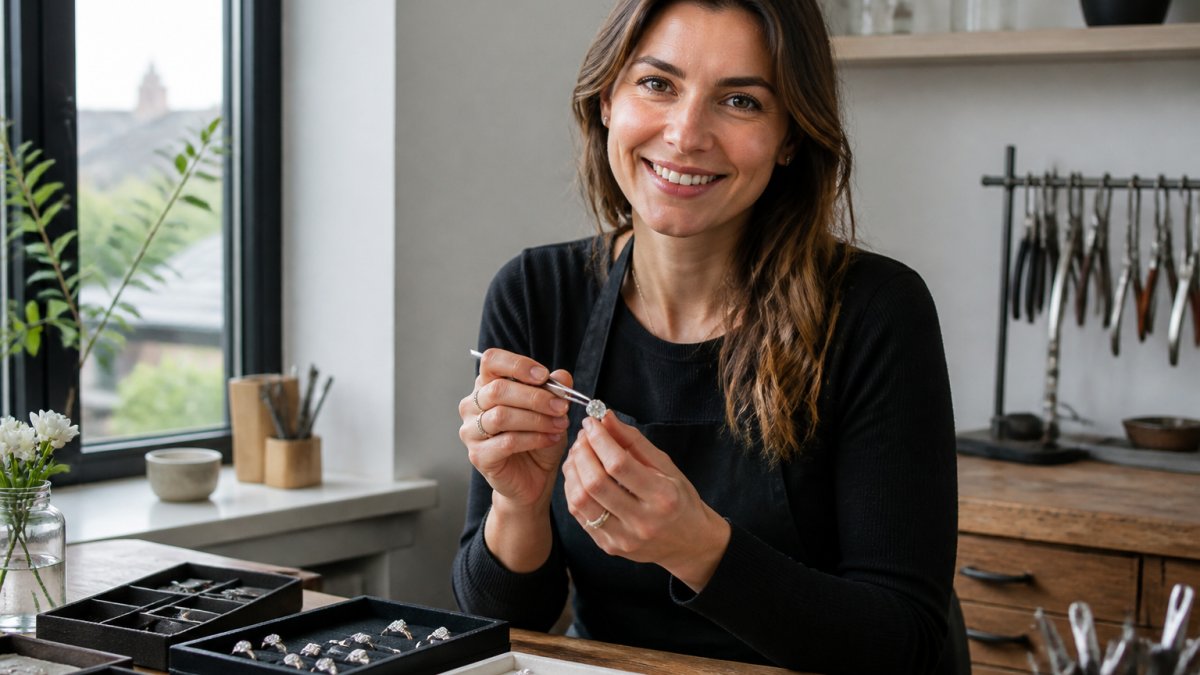
Hatton Garden remains the historic heart of the trade, home to generations of jewellers, goldsmiths and gem dealers within a few streets. That concentration of expertise is the real draw: you can walk between workshops, compare craftsmanship directly, and deal with people who make rings rather than just resell them.
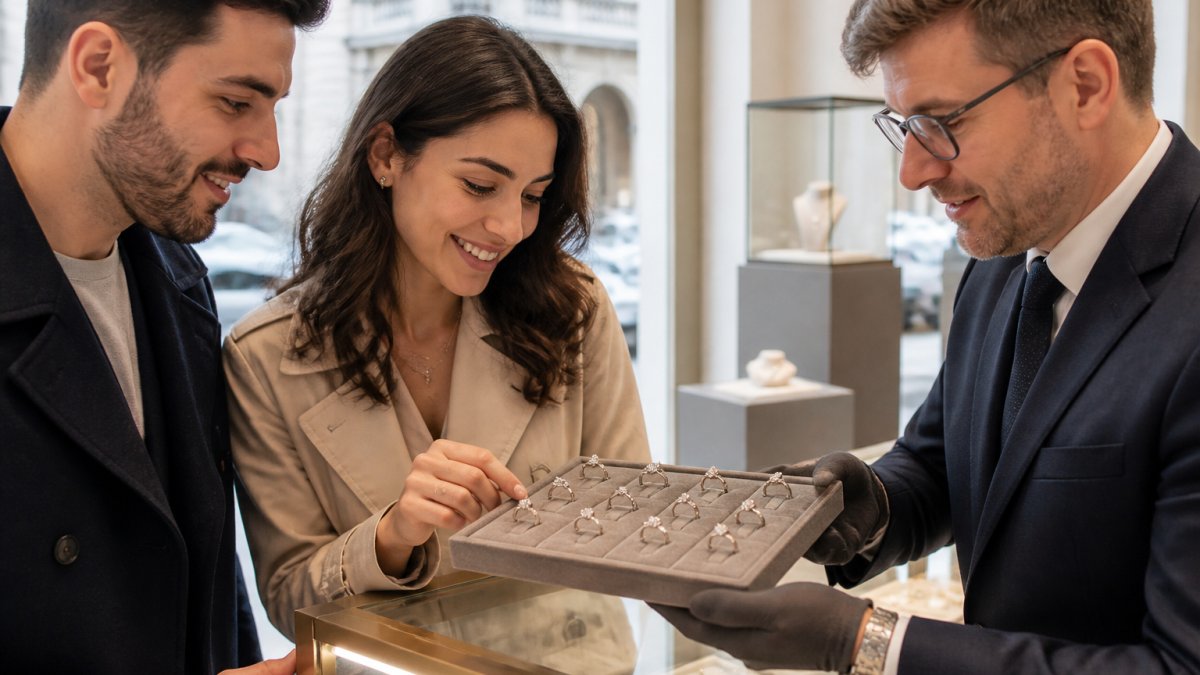
The Hatton Garden Shopping Experience, Step by Step
Here is how a typical visit unfolds, so nothing feels intimidating:
- Research first. Decide on a rough budget, preferred metal and whether you want natural or lab-grown stones.
- Book two or three appointments. Comparing shops on the same day keeps your judgement sharp.
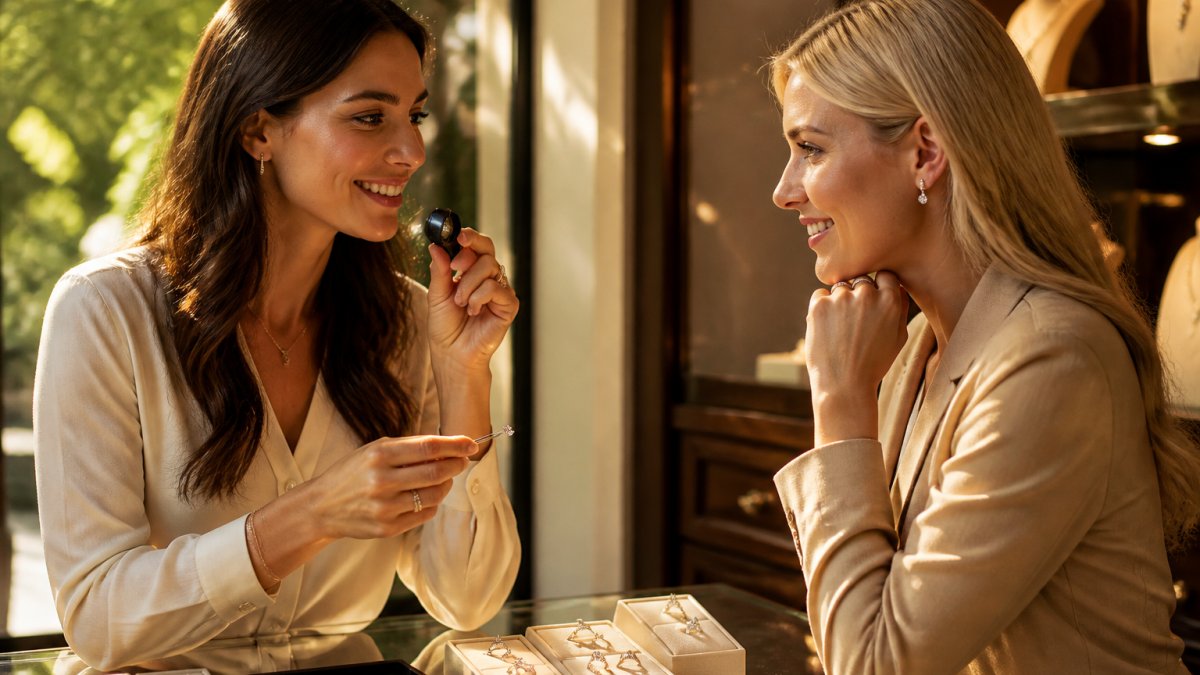
- See stones in person. Ask to view diamonds under both daylight and loupe magnification.
- Discuss the setting. Solitaire, halo, trilogy and pavé settings all change how a stone reads on the hand.
- Check certification. Ask to see the grading report before any deposit.
- Confirm timelines. Bespoke pieces take longer than ready-made rings, so plan around your proposal date.
- Sort insurance and aftercare. Arrange cover and confirm resizing terms before you leave.
How to Choose a Diamond Engagement Ring: The Four Cs and Beyond
The Four Cs, cut, colour, clarity and carat weight, remain the standard framework for judging a diamond, but cut matters most for how a stone actually looks. A well-cut diamond with modest colour and clarity will usually outshine a larger, poorly cut stone of higher grade.
| Factor | What It Measures | Priority for Most Buyers |
|---|---|---|
| Cut | How light reflects through the stone | Highest |
| Colour | Absence of tint | High |
| Clarity | Internal inclusions | Medium |
| Carat | Weight, not size | Depends on budget |
Work through them in that order and you will rarely regret the result.
Lab-Grown vs Natural Diamonds: Which Suits Your Budget?
Lab-grown diamonds are chemically and optically identical to natural stones, but they cost significantly less for the same size and grade, which makes them a strong option if carat weight matters more to you than rarity. Natural diamonds hold their traditional prestige and, for some buyers, their resale narrative. Neither choice is wrong. Decide which you value more, size or provenance, and let that guide the conversation.
Bespoke Engagement Rings in London: What the Design Process Looks Like
When you Buy Engagement Ring in London, bespoke commissions start with a conversation, not a catalogue. You discuss the stone, metal, setting style and any personal details you want worked into the design, such as an heirloom stone reset or an engraved message inside the band.
From there, a jeweller produces sketches or a CAD render for your approval, sources the stone, and handcrafts the piece. Expect several weeks from first meeting to finished ring, longer if you want something highly unusual. The advantage is a ring that fits your partner's taste exactly rather than approximating it.
Metals, Settings and Gemstone Alternatives Explained
Platinum is dense, naturally white and holds its shape well over decades, which suits daily wear. Yellow gold offers warmth and tradition, while white gold gives a similar look to platinum at a lower cost but needs periodic rhodium plating to stay bright.
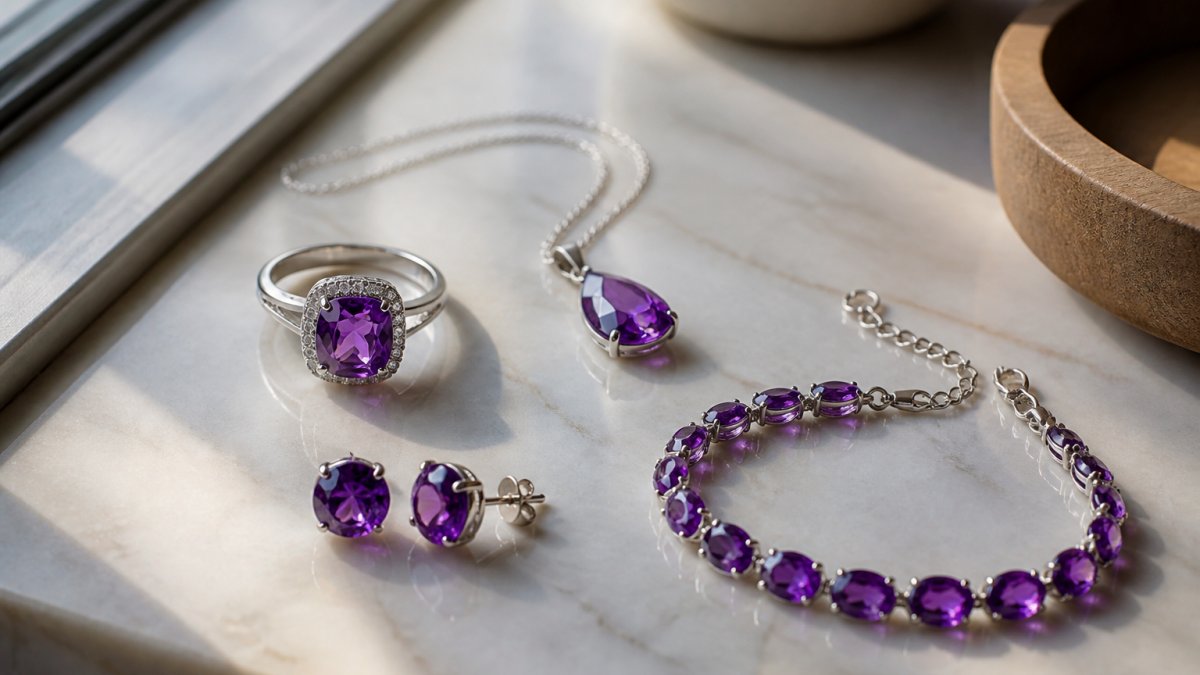
Coloured gemstones and moissanite are increasingly popular alternatives. Sapphires, rubies and emeralds bring individuality, and moissanite delivers strong brilliance at a fraction of the cost of diamond. Customisable settings let you combine any of these with a band style that matches the wearer's everyday jewellery.
Pricing, Payment Plans and 0% Finance Options
Engagement ring pricing is not a single number; it is the sum of several decisions. Understanding how a quote is built is the fastest way to compare shops fairly and to spot where a price is being padded.
What actually drives the price
- The stone. Cut, colour, clarity and carat weight set the baseline. Two stones of the same carat can differ substantially in price once cut and clarity are accounted for.
- The metal. Platinum typically costs more than white or yellow gold because it is denser and worked differently.
- The setting. A simple solitaire involves less labour than a halo or pavé band with dozens of small stones.
- Bespoke work. CAD design, casting and hand-finishing add time and cost compared with a ready-made ring.
- Certification and valuation. Independent grading and a written valuation for insurance are part of the honest cost of a ring.
Ask each shop to break the quote into stone, metal, labour and any bespoke element. A jeweller who will not do this is telling you something useful.
Payment plans and 0% finance
Many jewellers offer staged payments or interest-free credit, and these are a legitimate way to spread the cost. In the UK, consumer credit is regulated, so a reputable provider will run an affordability check and give you clear terms before you sign. Read the agreement for:
- The deposit required and when it is due
- The length of the interest-free period and what happens after it
- Any arrangement or administration fees
- What occurs if a payment is missed
If a shop offers credit without any paperwork or affordability check, treat that as a warning rather than a convenience.
Buying from overseas
London draws buyers from across the world, and non-resident shoppers should plan for a few practical points:
- VAT and the Retail Export Scheme. If you are visiting from outside the UK and taking the ring home with you, ask the retailer whether they participate in tax-free shopping and what documentation they provide. Rules and thresholds change, so confirm current requirements before you travel.
- Import duty at home. Your own country may charge duty or tax on the ring when you bring it in. Check before you buy, not after.
- Shipping and insurance. If the ring is shipped rather than carried, confirm who insures it in transit and who is responsible if it is lost.
- Currency. Ask which currency the quote is in and whether the exchange rate is fixed at deposit or at settlement.
A note on budgets
There is no rule that a ring must cost a particular multiple of anyone's salary. Decide what you are comfortable spending, treat that as a ceiling rather than a target, and let the stone and setting choices follow. A well-cut diamond of modest carat will almost always look better than a larger, poorly cut one at the same price.
Engagement Ring Insurance UK: Protecting Your Investment
Engagement ring insurance in the UK typically covers loss, theft and accidental damage, and most policies require a professional valuation or the original grading certificate before they will insure the piece. Arrange cover as soon as you take ownership, not after the proposal.
- Keep the certificate and valuation in a safe place, separate from the ring
- Check whether the policy covers wear and tear or only sudden damage
- Tell your insurer if you take the ring abroad
- Review the sum insured every few years as metal and stone values shift
Aftercare, Resizing and Lifetime Warranties
Aftercare is where a good jeweller separates from a great one. A lifetime warranty should cover structural faults in the setting and band, while routine services such as cleaning, polishing and claw tightening keep the ring looking its best for years.
Resizing is common, since fingers change with season and weight. Ask upfront whether resizing is free, how many times it is included, and how long it takes, so a loose band after the proposal is not an unwelcome surprise.
guidance on buying diamonds and gemstones from the Assay Assured Jewellery Retailers scheme
Conclusion: Your Next Step to Finding the One
Choosing a ring is a decision about craft, honesty and how it will feel on the hand years from now, not just a transaction. At thejewellution, we understand that a piece of jewellery becomes a personal confidant, which is why we focus on refined craftsmanship and lasting quality in everything we make. Our free resizing, free returns and refunds, and value-for-money approach mean you can choose with confidence.
Book a consultation with thejewellution and find a piece that feels like it was always meant for you.
Frequently Asked Questions
What is the average price of an engagement ring in London?
There is no single average, because cost depends on the diamond's carat weight, cut, clarity and colour, plus the metal and setting you choose. Lab-grown diamonds and moissanite sit at lower price points than natural stones, while platinum and bespoke design add to the total. Rather than chasing a national average, set your own ceiling first, then work backwards through the four Cs. Any reputable jeweller will quote transparently once they know your budget and preferred style.
Where is the best place to buy an engagement ring in London?
Hatton Garden remains the historic heart of the trade, with the widest concentration of jewellers, workshops and gem dealers. Beyond it, Mayfair and Bond Street suit buyers wanting designer names, while online specialists offer convenience and free resizing. The best choice is the one that lets you inspect the stone, ask about certification, and see the setting in person or through a video consultation. Compare at least three quotes before deciding.
How do I choose a reputable jeweller in London?
Look for membership of a recognised trade body, written certification for any diamond over a certain size, and a clear returns policy. Ask whether the jeweller has its own workshop, what aftercare and resizing it offers, and how it handles insurance valuation paperwork. A good sign is a willingness to show you the stone under magnification and explain the four Cs without pressure. Reviews and word of mouth from recent customers matter too.
Can you walk into a store and buy an engagement ring?
Yes, many London jewellers keep ready-to-wear rings in stock that you can take away the same day. However, if you want a specific diamond, a custom setting, or engraving, expect a lead time of several weeks. Booking a showroom appointment in advance gives you dedicated time with a specialist and access to a wider selection. For bespoke work, start the process at least two to three months before your proposal date.