 ultimate-guide
Ring Setting Types: A Complete Guide
Table of Contents
- Understanding Ring Settings and Their Role
- Prong Settings: Classic Security and Sparkle
- Bezel Settings: Modern Protection and Elegance
- Halo Settings: Maximum Presence and Visual Impact
- Engagement Ring Settings: Balancing Beauty with Durability
- Additional Setting Types Worth Considering
- Choosing the Right Setting for Your Ring
- Frequently Asked Questions
Last Updated: October 12, 2026
Understanding Ring Settings and Their Role
Some settings maximise sparkle by letting light enter from multiple angles; others prioritise security, wrapping the stone in metal; still others create a halo effect that amplifies the apparent size of your centre stone.
The setting can matter as much as the stone.
Prong Settings: Classic Security and Sparkle
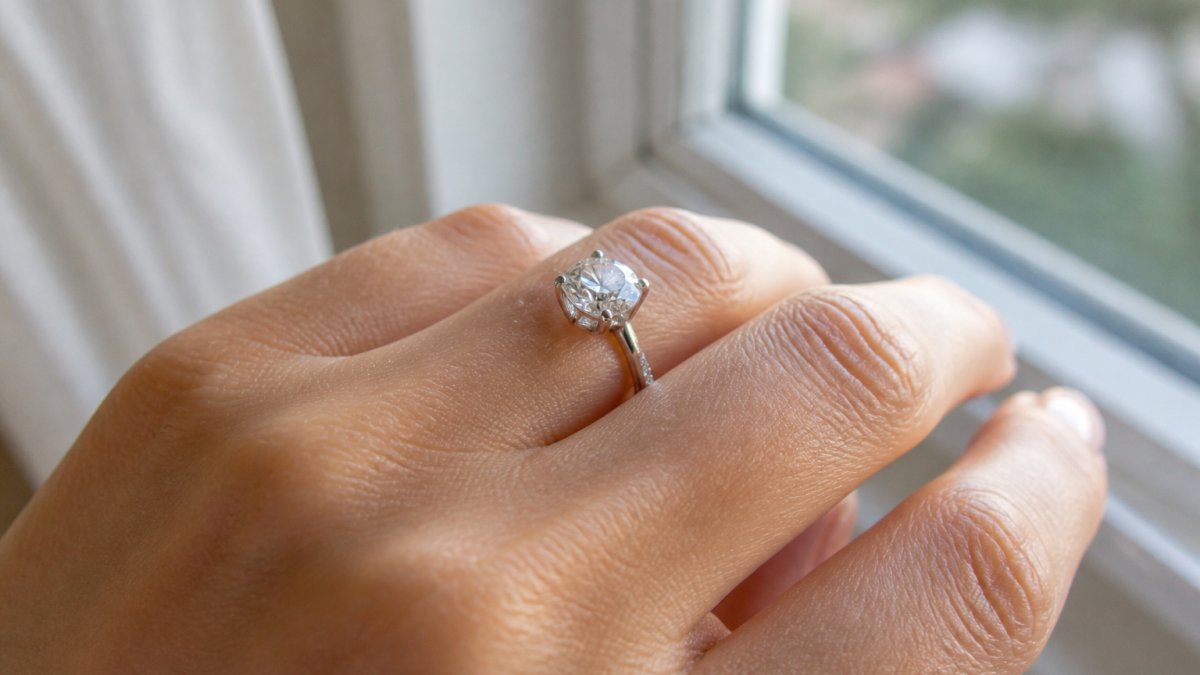
Prong settings remain the most popular choice for engagement rings, balancing security and light performance.
Their key advantage is visibility: metal covers only a small percentage of the stone's surface, so light enters from almost every angle, maximising sparkle.
However, prongs require regular maintenance. The metal can loosen or bend over time, especially with daily wear, and prongs carry a higher risk of catching on fabric.
Prong settings work beautifully with round and cushion-cut stones, though they suit virtually any shape, complementing rather than competing with the stone's natural beauty.
Bezel Settings: Modern Protection and Elegance
A bezel setting surrounds the stone's perimeter with a metal rim. Unlike prongs, which grip at specific points, a bezel cradles the stone completely, offering superior protection against impact and daily wear.
Bezel settings suit active lifestyles: the stone sits lower, so it is less likely to snag, and with no individual prongs to bend or weaken, it is less likely to come loose.
The trade-off is light performance: a full bezel reduces light entering from the sides, slightly diminishing sparkle compared to a prong setting.
Bezel settings create a modern, minimalist aesthetic, the smooth rim drawing attention to the stone's shape and colour.
Halo Settings: Maximum Presence and Visual Impact
A halo setting surrounds the centre stone with a ring of smaller diamonds or gemstones, creating the illusion of greater size and amplifying light return.
The surrounding stones catch and reflect light independently, creating a luminous, almost three-dimensional effect. This style has gained popularity because it maximises visual impact without requiring an exceptionally large centre stone.
Halo settings provide moderate protection: the smaller stones shield the centre somewhat, though it remains exposed. They require careful maintenance, as multiple stones mean multiple prongs or bezels that could loosen.
Halo settings work exceptionally well with round and cushion-cut centre stones, though they suit other shapes too.
Engagement Ring Settings: Balancing Beauty with Durability
An engagement ring is worn for decades, so the setting must survive far more than the occasional outing. The practical question is not which looks best in a photograph, but which tolerates your actual week: keyboard work, gym sessions, gardening, commuting and the small knocks that accumulate over years.
A practical comparison framework
Rather than memorising setting names, compare any candidate on five axes:
- Stone protection, how much metal shields the girdle (the stone's widest edge) from direct impact.
- Snag risk, how many raised edges, prongs, or beads can catch on knitwear, hair, or gloves.
- Light performance, how much of the stone remains open to light from the side as well as the top.
- Maintenance load, how often the setting needs professional inspection and tightening.
- Repairability and resizing, how easily a jeweller can work on the setting later without disturbing the stones.
A quick ranking on those axes, from most protective to most exposed, runs roughly: full bezel, channel, partial bezel, halo, three-stone, six-prong, four-prong, tension. Sparkle tends to run in almost the opposite order, which is the central trade-off of the whole decision.
Matching the setting to the stone
Stone shape changes which settings work. A round brilliant performs well in almost anything because its symmetry is forgiving. A marquise or pear cut has delicate points that are vulnerable in a four-prong setting and are better served by a bezel or a prong arrangement placing metal directly over each tip. An emerald cut sits naturally in a bezel or four-prong setting that protects its corners.
Stone size matters too. Very large stones need more metal support and are usually set with six prongs rather than four. Very small accent stones are often better in channel or bead settings, where the metal itself does the holding.
Repair, resizing, and the long view
Settings age: prongs wear at the tips, pavé beads flatten and channel walls thin. A sensible routine is a professional inspection roughly once a year, more thorough if the ring is worn daily or the wearer is active. Most jewellers will tighten prongs, re-tip worn claws and re-polish the metal as routine servicing.
Resizing is where setting choice really bites. Plain bands resize easily; channel-set and pavé-set bands are far harder, because the stones sit in the metal that would need cutting, stretching or replacing. Eternity bands often cannot be resized at all without rebuilding.
Everyday-wear considerations
Think about specifics. Gloves and pockets favour low-profile settings such as bezel or partial bezel, which sit close to the finger. Anyone who works with their hands, lifts weights or does manual work will find a high prong setting catches and knocks far more often. Some wearers also dislike the feel of raised prongs against adjacent fingers and prefer the smooth profile of a bezel or channel setting.
Metal choice
Platinum is denser and more wear-resistant than gold, holding prongs more securely over long periods, though it is heavier and costs more. White gold is lighter and more affordable but usually rhodium-plated, and the plating wears and needs re-plating periodically. Yellow and rose gold show wear as a patina rather than a colour change, which some wearers prefer. Whichever metal you choose, thicker prongs and well-finished edges last longer than thin, decorative ones.
Additional Setting Types Worth Considering
Beyond the primary setting styles, several other options merit consideration depending on your preferences and stone shape.
Channel Settings
Channel settings feature stones set into grooves along the band, with metal walls on either side holding each stone. This creates a seamless line of gemstones, often used to flank a centre stone or form a full eternity band.
Channel settings offer excellent security, as the stones are surrounded on multiple sides by metal. The downside is reduced light entry, which can diminish sparkle, particularly for diamonds. They work beautifully for coloured gemstones or as accent settings rather than for showcasing a centre stone, and are popular in eternity designs. They require professional cleaning to maintain their appearance.
Pavé Settings
Pavé settings cover much of the band with small diamonds or gemstones held by tiny metal beads or prongs, creating a glittering, textured surface.
Pavé settings are visually stunning but demand meticulous maintenance: the many small stones and prongs create numerous points where wear can occur. Professional cleaning and inspection should happen at least annually, more often with daily wear. The setting is labour-intensive to create and repair, making it a more expensive choice, but the visual impact is undeniably striking.
Three-Stone Settings
Three-stone settings feature a larger centre stone flanked by two smaller stones. This arrangement symbolises the past, present and future, making it popular for engagement rings.
Three-stone settings offer a balanced aesthetic that feels substantial without overwhelming the hand. The side stones add visual interest and can amplify the apparent size of the centre stone. Security is generally good, though the side stones need individual attention during maintenance. The setting suits various stone shapes and allows creative combinations of types and colours.
Tension Settings
Tension settings hold the stone between two metal arms that exert pressure to keep it secure, creating the illusion that the stone is floating. This modern, architectural approach is visually striking and allows maximum light entry from all angles.
Tension settings are elegant but require precise craftsmanship and regular professional inspection: the metal must maintain exact pressure, and any bending or weakening of the arms compromises safety. They work best with stones of excellent clarity, as the setting hides no inclusions or flaws, and are typically more expensive due to the precision required.
Choosing the Right Setting for Your Ring
Most guides blur two different things: the construction method (how the stone is physically held) and the design style (the overall look). Keeping them separate makes the choice much clearer.
Construction versus design
Construction methods include prong, bezel, channel, pavé and tension, the metalwork. Design styles include solitaire, halo, three-stone and side-stone, the arrangement of stones. A ring can combine them freely: a solitaire with a bezel-set centre stone, or a halo built on a prong-set centre. When a setting is called 'a halo', that is a design, not a construction method, and the centre stone inside is still held by prongs, a bezel or something else. Knowing which layer you are choosing prevents confusion at the counter.
A short decision path
Work through these in order:
- How often will it be worn? Daily wear pushes you towards bezel, channel, or a well-built six-prong setting. Occasional wear opens up tension and delicate pavé work.
- What does the wearer do with their hands? Manual work, sport, or childcare favours low-profile, snag-resistant settings.
- What shape is the stone? Points and corners (marquise, pear, princess) need metal over them; rounds and ovals are more forgiving.
- How much maintenance is acceptable? Prong, pavé, and tension settings need regular professional attention. Bezel and channel settings need less.
- Might it need resizing? If yes, avoid fully set bands.
What drives the cost
Setting cost is the sum of several factors. Labour is the biggest variable, hand-cut pavé and tension settings take far more bench time than a simple four-prong solitaire. Metal volume matters too: a full bezel or heavy channel setting uses more metal than an open prong setting. Stone count multiplies both the setting labour and the inspection burden, so a halo or pavé band costs more to make and maintain than a plain band with one stone. Design complexity, fancy shapes, mixed stone sizes, custom profiles, adds further cost.
Questions worth asking before you commit
- How often should this setting be inspected, and what does a routine check involve?
- If a prong or bead wears down, how is it repaired, and does the stone need to be removed?
- Can this band be resized later, and by how much?
- Are the accent stones set in a way that can be tightened individually, or would the whole section need rebuilding?
- What is the recommended cleaning routine for this specific construction?
Frequently Asked Questions
What are the different types of ring settings?
Ring settings vary widely in design and function. Common types include prong settings, which use metal claws to hold the stone; bezel settings, which surround the gemstone with a metal rim; halo settings, which feature smaller stones around a centre stone; channel settings, where stones sit flush within grooves; and pavé settings, which cover the band with tiny diamonds. Each offers distinct aesthetic and practical advantages depending on your preferences and lifestyle.
What is the difference between a prong and a bezel setting?
Prong settings use thin metal claws that grip the sides of a gemstone, allowing maximum light to enter and exit the stone for superior sparkle. Bezel settings completely surround the stone with a metal rim, offering greater protection and a more modern, streamlined appearance. Prongs showcase the stone's brilliance, whilst bezel settings provide durability and a lower-profile look. Your choice depends on whether you prioritise light performance or protective durability.
Which ring setting makes a stone look larger?
Halo settings make a centre stone appear significantly larger by surrounding it with smaller diamonds or gemstones. The surrounding stones create a visual halo effect that amplifies the apparent size of the centre stone. Three-stone settings also enhance visual impact by flanking the main stone with side stones. If size perception matters to you, these settings are excellent choices for maximising the visual presence of your gemstone.
How do I choose the right setting for my ring?
Consider your lifestyle, aesthetic preferences, and the gemstone shape. Active individuals benefit from protective bezel or channel settings. Those who prefer maximum sparkle choose prong settings. If you want visual impact, halo or three-stone settings deliver presence. Think about maintenance too: prong settings require occasional retightening, whilst bezel settings are lower-maintenance. Your ring should reflect both your style and practical needs.