 ultimate-guide
Birthstone Ring: A Guide to Meaning and Selection
Table of Contents
- What Makes a Birthstone Ring Special
- Birthstone Colours by Month and Their Significance
- Understanding Birthstone Meanings and Symbolism
- Birthstone Ring Settings and Design Choices
- Creating a Personalised Birthstone Ring
- Caring for Your Birthstone Ring
- Frequently Asked Questions
Last Updated: October 12, 2026
What Makes a Birthstone Ring Special
A birthstone ring features a gemstone associated with your birth month, chosen for its personal significance. At thejewellution, we see these rings as intimate expressions of identity and cherished keepsakes.
What distinguishes a birthstone ring from standard gemstone jewellery is its connection to identity. The tradition dates back centuries, rooted in cultural symbolism and the belief that each month's stone holds particular properties.
The appeal lies in the ritual of selection: honouring your birth month, celebrating someone you love, or connecting with a stone whose symbolism resonates. This deliberate choice elevates the piece beyond fashion into meaningful personal jewellery.
Birthstone Colours by Month and Their Significance
Each month carries its own gemstone, and many offer alternatives for a different aesthetic, budget, or durability. The chart below sets out each month's stone, colour, alternatives, and Mohs hardness, a useful indicator of how well a stone tolerates everyday ring wear.
| Month | Primary Stone | Typical Colour | Common Alternatives | Mohs Hardness |
|---|---|---|---|---|
| January | Garnet | Deep red | Rose quartz, rhodolite garnet | 6.5-7.5 |
| February | Amethyst | Purple | Purple sapphire, iolite | 7 |
| March | Aquamarine | Pale blue-green | Bloodstone, blue topaz | 7.5-8 |
| April | Diamond | Colourless | White topaz, white sapphire, clear quartz | 10 |
| May | Emerald | Vivid green | Chrysoprase, green tourmaline | 7.5-8 |
| June | Alexandrite | Green changing to red | Moonstone, colour-change sapphire | 8.5 |
| July | Ruby | Deep crimson | Pink tourmaline, red spinel | 9 |
| August | Peridot | Yellow-green | Green tourmaline, green sapphire | 6.5-7 |
| September | Sapphire | Blue (all colours available) | Lapis lazuli, blue spinel | 9 |
| October | Opal | Play-of-colour | Tourmaline, pink tourmaline | 5.5-6.5 |
| November | Topaz | Golden or honey | Citrine, smoky quartz | 8 |
| December | Blue topaz | Sky to London blue | Turquoise, tanzanite | 8 |
January to June Birthstones
January opens with garnet, a deep red stone associated with protection and vitality. At Mohs 6.5-7.5 it suits regular wear, though it benefits from a protective setting.
February features amethyst, a purple quartz representing clarity and spiritual awareness. At Mohs 7 it is reasonably durable, though it can fade in prolonged sunlight.
March brings aquamarine, a serene blue-green stone evoking water and tranquility.
April's diamond remains the most traditional choice, symbolising eternal strength and clarity, and at Mohs 10 it is the hardest gemstone used in jewellery.
May showcases emerald, a vivid green gemstone representing renewal and growth.
June offers alexandrite and moonstone. Alexandrite displays a remarkable colour change, appearing green in daylight and red under incandescent light, and at Mohs 8.5 suits regular ring wear.
July to December Birthstones
July features ruby, the most prized red gemstone, symbolising passion and protection. At Mohs 9 it is one of the most durable birthstones and handles daily wear exceptionally well.
August brings peridot, a luminous yellow-green stone associated with strength and vitality.
September showcases sapphire, traditionally blue but available in nearly every colour. Blue sapphire represents wisdom and truth, and at Mohs 9 it is one of the best choices for daily wear.
October offers opal, known for its mesmerising play of colour.
November presents topaz, typically golden or honey-coloured, and citrine, a warm yellow quartz. Topaz ranks Mohs 8 and citrine Mohs 7, both evoking autumn's warmth and associated with abundance and joy.
December closes the year with blue topaz, representing calm and clarity, or turquoise, a striking blue-green stone steeped in cultural significance.
Understanding Birthstone Meanings and Symbolism
Each birthstone carries layers of meaning developed through centuries of cultural tradition, folklore, and spiritual belief.
Birthstone meanings offer a framework for personal connection: garnet for commitment and grounding, amethyst for spiritual wisdom and inner peace, aquamarine for courage and clear communication, diamond for invincibility and eternal love, emerald for growth and renewal, ruby for passion and protection, sapphire for truth and wisdom, opal for transformative energy and creativity, and topaz for strength and manifestation.
The symbolism matters most when it resonates personally. Some select their birthstone because it aligns with their birth month; others choose based on qualities they wish to cultivate. A birthstone ring becomes a tangible reminder of intention, whether grounding yourself in stability, inviting clarity, or honouring a loved one's birth month.
What makes these meanings powerful is their consistency across cultures. While traditions vary, the association of certain stones with protection, wisdom, healing, or transformation recurs throughout history, suggesting a genuine human recognition that certain colours and minerals carry emotional resonance.
Birthstone Ring Settings and Design Choices
The setting transforms a raw gemstone into wearable art. How your birthstone is positioned, the metal that frames it, and the overall design determine how the ring looks and feels to wear.
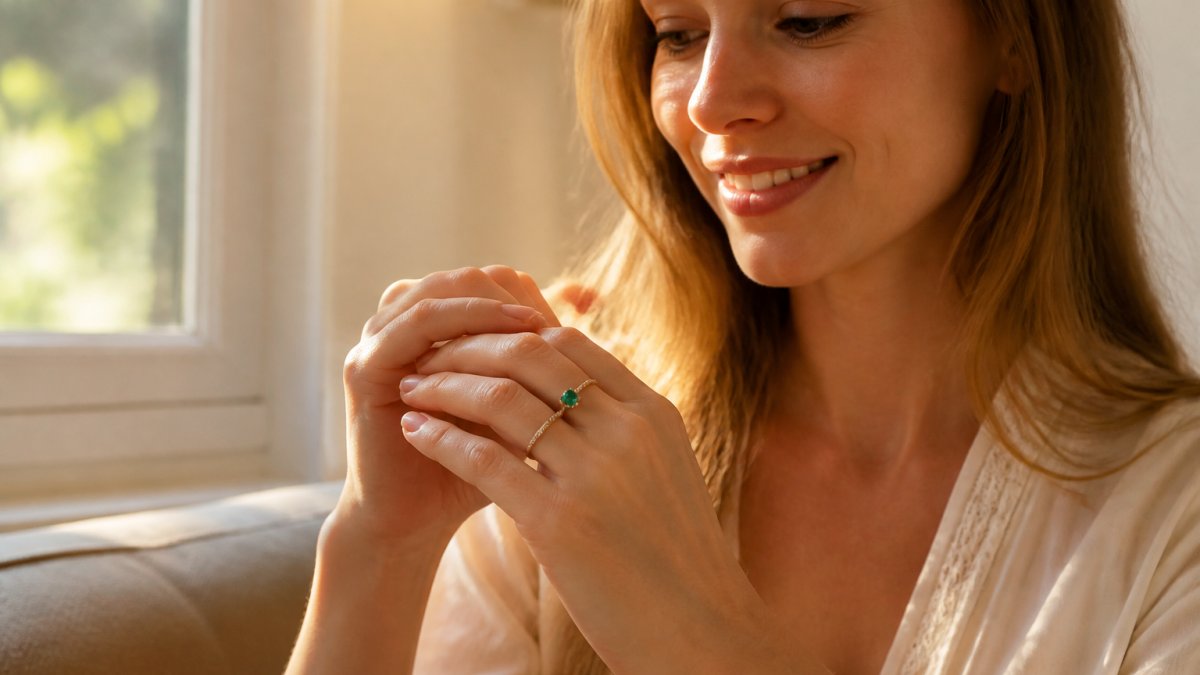
Metal Options for Your Ring
Your metal choice establishes the ring's character and longevity. Sterling silver offers elegance and affordability, providing a bright backdrop that makes most birthstones pop. It requires regular maintenance to prevent tarnishing, but its accessibility suits first-time buyers.
9-carat yellow gold delivers warmth and timeless appeal. Its honeyed tone complements warm stones like rubies, garnets, and citrines, and it develops a distinctive patina over time.
White gold offers similar durability with a cooler, more neutral tone. It suits virtually every birthstone and pairs particularly well with sapphires, aquamarines, and diamonds.
Rose gold has emerged as a sophisticated choice, its pinkish hue creating warm, romantic undertones. It's particularly striking with softer-coloured stones like amethyst and moonstone.
Platinum is the premium option: exceptionally durable, naturally white, and hypoallergenic. Its density means rings maintain their shape and setting security over decades, justifying the investment for lifelong keepsakes.
Setting Styles That Enhance Your Stone
A solitaire setting places your birthstone at the centre, allowing the stone to command attention. This classic approach works beautifully for striking gemstones like ruby, sapphire, or emerald.
Halo settings surround your birthstone with smaller accent stones, typically diamonds or complementary gemstones. This amplifies visual impact, makes a modest stone appear more substantial, and protects the centre stone.
Three-stone settings tell a narrative of past, present, and future, with your birthstone flanked by two complementary stones. This offers symbolic depth and visual balance, particularly for engagement rings or milestone pieces.
Stackable designs let you combine multiple birthstone rings, perhaps stacking your own with those of loved ones or layering complementary colours.
Vintage-inspired settings draw from art deco, Victorian, or Edwardian design, often featuring intricate metalwork, filigree, and geometric patterns that add character.
Creating a Personalised Birthstone Ring
Personalisation transforms a birthstone ring into something uniquely yours. At thejewellution, we believe the most meaningful pieces are crafted intentionally to reflect individual taste and story.
Custom-made birthstone rings begin with your vision. Whether you're drawn to a specific metal or want meaningful details incorporated, working with skilled craftspeople realises that vision through consultation, design sketches, and collaboration.
Handcrafted rings offer advantages beyond aesthetics. When individually made, the maker can adjust proportions, refine details, and ensure the setting secures your birthstone precisely, resulting in a piece that looks exceptional and feels solid. If your ring doesn't fit perfectly when it arrives, our Free Resizing service ensures it's adjusted to your comfort.
Engraving adds another layer: dates, initials, or meaningful phrases inscribed inside the band create a private message visible only to you and those you choose to show.
Consider combining birthstones: a ring featuring multiple family members' stones creates a wearable family tree. These multi-stone designs require thoughtful arrangement for visual harmony, but the result is deeply personal.
Caring for Your Birthstone Ring
Your birthstone ring deserves proper maintenance, but the right routine depends on which stone you wear. The guidance below is organised by stone family.
Cleaning by Stone Type
Hard stones (Mohs 8-10): diamond, ruby, sapphire, alexandrite, topaz. These tolerate warm water, mild washing-up liquid, and a soft-bristled brush. Most can also withstand an ultrasonic cleaner, though confirm with your jeweller first if the stone has been treated or has visible inclusions.
Moderate stones (Mohs 7-7.5): amethyst, aquamarine, emerald, citrine, tourmaline, peridot. Clean with lukewarm water and a soft cloth. Avoid ultrasonic and steam cleaners, which can worsen fractures. Emerald should never be soaked, as it may contain oils that hold its colour.
Soft and porous stones (Mohs below 7): opal, moonstone, turquoise. Wipe with a damp cloth only and dry immediately. Opal contains water and can craze if it dries out or faces sudden temperature changes. Turquoise is porous and can discolour if it absorbs oils or perfumes, so apply cosmetics and fragrance before putting the ring on.
Everyday Habits That Protect Your Ring
Remove your ring before showering, swimming, washing up, exercising, gardening, or manual work. Chlorine, cleaners, and abrasive grit can dull a stone or loosen a setting. Store each ring separately so harder stones do not scratch softer ones.
Keep rings away from direct sunlight, radiators, and humid rooms. Amethyst and rose quartz can fade with prolonged UV exposure, whilst opal and turquoise are sensitive to humidity and heat.
Inspections and Repairs
Have your ring inspected by a qualified jeweller roughly once a year, or every six months if worn daily. They will check that prongs remain tight, the setting has not shifted, and the band has not thinned or warped. Catching a loose stone early is far cheaper than replacing it.
If a prong catches on clothing or you notice a rattle when shaking the ring gently, stop wearing it until checked. Re-tipping prongs and re-polishing a band are routine repairs most workshops complete quickly. If you're ever unsatisfied with your purchase, our Free Return & Refund policy gives you peace of mind, and our commitment to Value for Money means you're investing in quality craftsmanship that lasts.
Frequently Asked Questions
How do I choose the right birthstone ring for myself?
Start by identifying your birth month and its corresponding birthstone, then consider the gemstone's colour and durability for your lifestyle. Think about which metal complements your skin tone, rose gold, yellow gold, white gold, or platinum each create different effects. If you're drawn to a birthstone that isn't your own birth month, that's perfectly valid; many people choose stones for their meanings or colours. Consider the setting style that suits your aesthetic: a classic solitaire, a vintage-inspired design, or a modern stackable band. Handcrafted personalised options allow you to shape the ring to reflect your individual taste and story.
What do different birthstone colours represent?
Each birthstone carries symbolic meaning through its colour and history. Deep reds and garnets (January) represent vitality and protection, while amethyst purples (February) symbolise calm and clarity. Spring stones like aquamarine (March) evoke serenity, and emerald greens (May) suggest growth and renewal. Summer stones, ruby reds (July), peridot greens (August), embody passion and abundance. Autumn brings sapphire blues (September) for wisdom, and opal's iridescent hues (October) represent hope. November's citrine and topaz glow with warmth, while December's turquoise and blue topaz suggest protection and truth. These associations make birthstone rings deeply personal gifts or meaningful self-purchases.
Can I wear someone else's birthstone ring?
Yes, there's no rule against wearing another person's birthstone. Many people choose to wear birthstones of loved ones to feel connected to them, or they select stones based purely on colour preference and aesthetic appeal rather than birth month. Some wear rings featuring multiple family members' birthstones as a symbol of connection. What matters is whether the ring holds personal meaning for you. A handcrafted personalised birthstone ring can incorporate multiple stones or be designed around someone else's birth month if that resonates with your story.
What's the difference between traditional and modern birthstones?
Traditional birthstones are rooted in ancient calendars and cultural associations, while modern birthstones were formalised by the American National Association of Jewellers in 1912. Some months have multiple options: December, for example, has traditionally been associated with turquoise and blue topaz, though tanzanite is now often listed as a modern alternative. These variations exist because gemstone availability, cultural preferences, and jewellery industry standards have evolved. When choosing a personalised birthstone ring, you can honour either tradition, select a modern stone, or even choose a gemstone that holds personal significance regardless of the official list.